 MarkMyAss
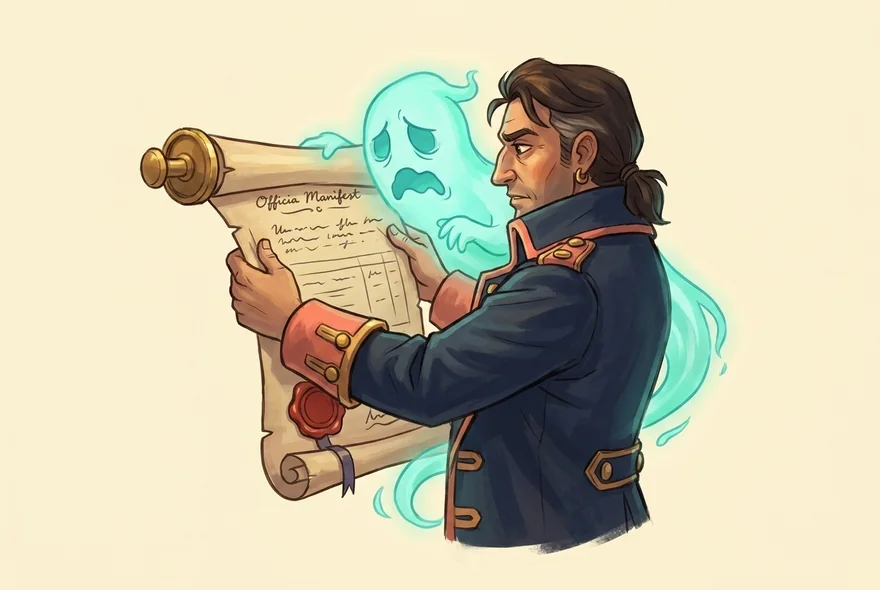
The captain reads the manifest first.
C2PA Remover#
What MarkMyAss actually sees, removes, and cannot cryptographically validate#
C2PA (the Coalition for Content Provenance and Authenticity) is a technical standard for embedding a signed provenance manifest — what tool created or edited a file, and when — directly inside an image, PDF, or other media file. This page explains exactly what MarkMyAss can and can't do with one.
What C2PA actually is#
C2PA manifests are packaged inside a file using a container format
called JUMBF (JPEG Universal Metadata Box Format), embedded as a
JPEG APP11 segment or a PNG caBX chunk. The manifest itself can be
cryptographically signed, meaning a compliant validator can check
whether the content has been altered since the manifest was created and
who signed it — that's the actual security property C2PA provides.
Official spec:
spec.c2pa.org.
What MarkMyAss sees#
MarkMyAss scans for the structural presence of a JUMBF container — the byte-level markers indicating a C2PA manifest is embedded. This is a heuristic structural scan, not a manifest parser: MarkMyAss doesn't read the manifest's claims, verify its signature, or check a trust chain.
What MarkMyAss can remove#
If a JUMBF container is present, MarkMyAss can strip it from JPEG and PNG files — a structural removal, not a cryptographic operation. This means the C2PA-formatted evidence trail is gone from that file; it does not mean MarkMyAss broke or forged any cryptography, because it never touched the manifest's contents to begin with.
ghostmark inspect image.jpg --json     # reports c2pa: found/not_found
ghostmark clean image.jpg              # strips the JUMBF container, if present
Independent verification: c2patool#
MarkMyAss cross-checks its own C2PA detection with the official c2patool CLI (Apache-2.0/MIT), where installed. c2patool reads a file read-only and reports whether it finds a manifest — this is a genuine second opinion on presence, but it is not a cryptographic trust validator either in how MarkMyAss uses it: a clean c2patool result means "no manifest found," not "this content's provenance was cryptographically verified."
c2patool image.jpg # read-only manifest presence check
Limitations — read this before relying on this page#
- Not cryptographic validation. MarkMyAss does not verify signatures, trust chains, or manifest authenticity. It only detects/removes the container structure.
- JPEG and PNG only. PDF C2PA detection is a heuristic best-effort; removal isn't currently supported for PDF.
- Absence isn't proof of anything beyond absence. A file reporting "no C2PA container found" tells you MarkMyAss's structural scan didn't find one — it says nothing about whether the content is AI-generated, human-made, or edited.
- Robust provenance schemes are an active adversarial research area. Removing a JUMBF container defeats that specific embedding; it is not a general claim about defeating every possible provenance mechanism now or in the future.
Full methodology, sources, and test commands: /lab/c2pa.
For the consumer-facing "Content Credentials" branding of this same standard (the small "cr" icon you might see on an image), see /content-credentials-remover.